
Breathing monitoring
10–25 breaths/min · Accuracy ≥ 90%
Detection range 0.4–1.5 m (chest to radar antenna face). The reading is established in about 30 seconds and refreshes every 1–30 seconds.
Home Smart Hardware
A 60GHz mmWave radar mounted above the bedhead and aimed at the chest. A sleeping person wears nothing, while breathing, heart rate, in-bed / out-of-bed status and sleep stages stay continuously visible.
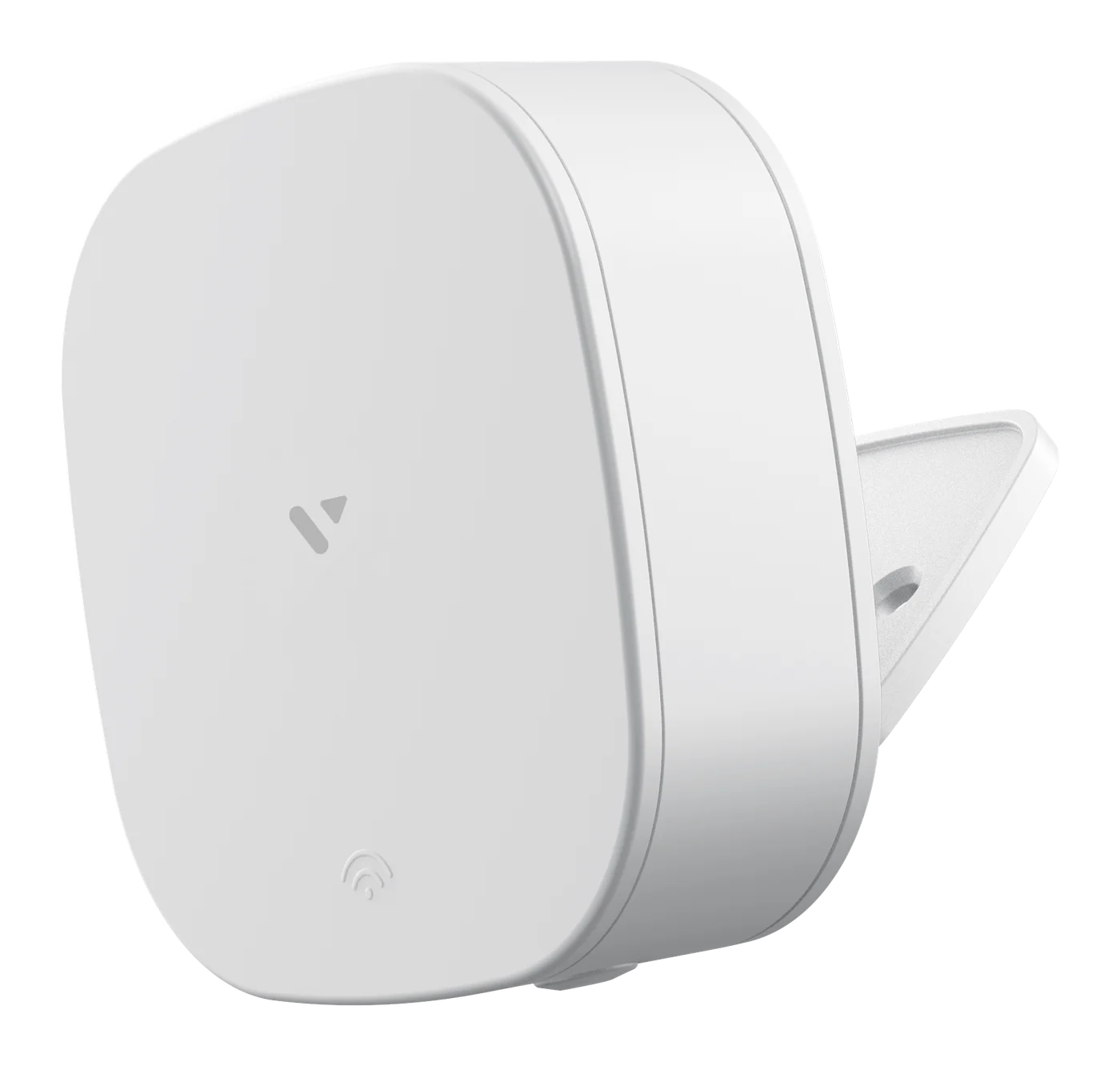
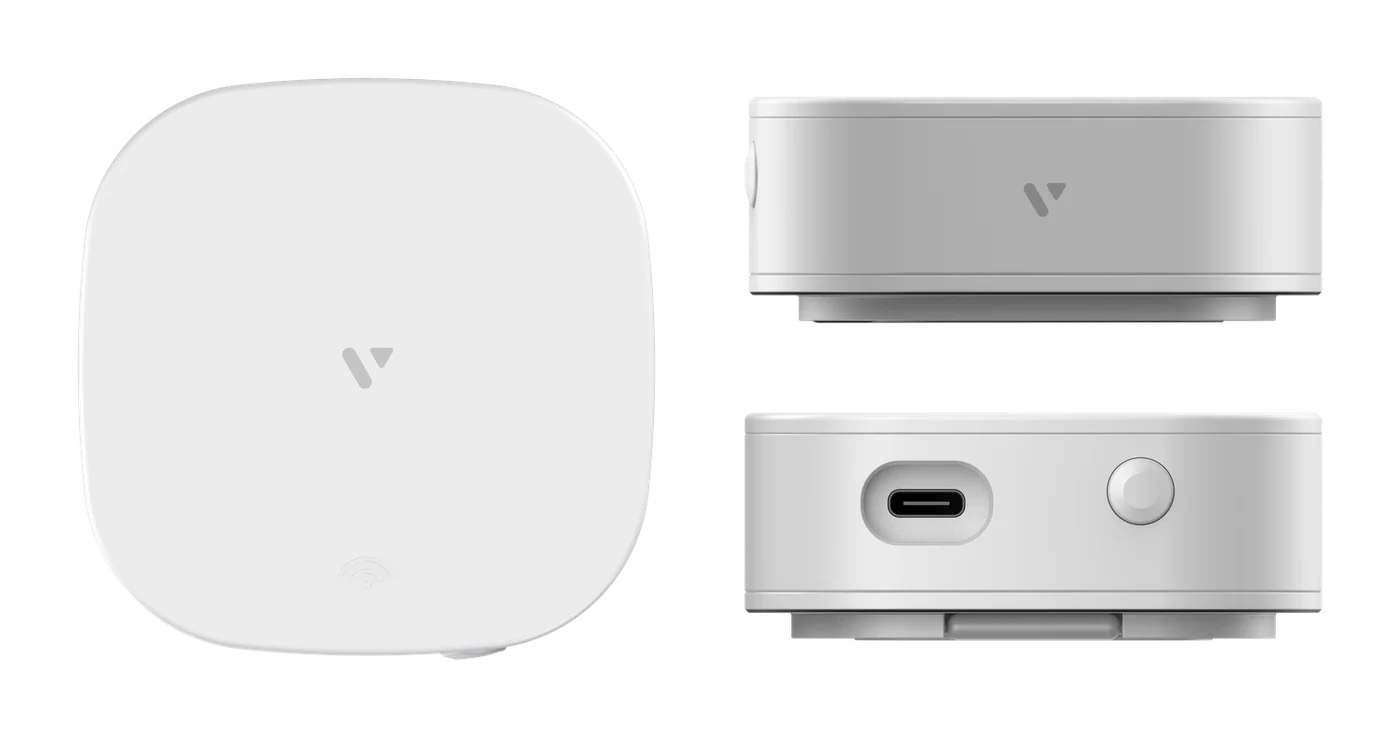
Model BH60A1-W · Bedhead angled mount 45° · WiFi (2.4G)
61–62.5GHz FMCW radar · 68 × 68 × 32 mm · Sleep detection range ≤ 2.5 m
Monitoring capabilities
From breathing and heartbeat to in-bed / out-of-bed status and sleep staging, everything is done by a single contactless radar. Nothing is laid on the bed and nothing is worn on the body.
10–25 breaths/min · Accuracy ≥ 90%
Detection range 0.4–1.5 m (chest to radar antenna face). The reading is established in about 30 seconds and refreshes every 1–30 seconds.
60–100 beats/min · Accuracy ≥ 95%
Best range 0.4–1.5 m, refreshed in sync with the breathing data.
In bed: 1 min · Out of bed: 40 s
A person present for 1 minute is judged as in bed; about 40 seconds after leaving, as out of bed. The resident does not need to do anything, and no sensor needs to be laid on the bed.
Reported every 10 minutes
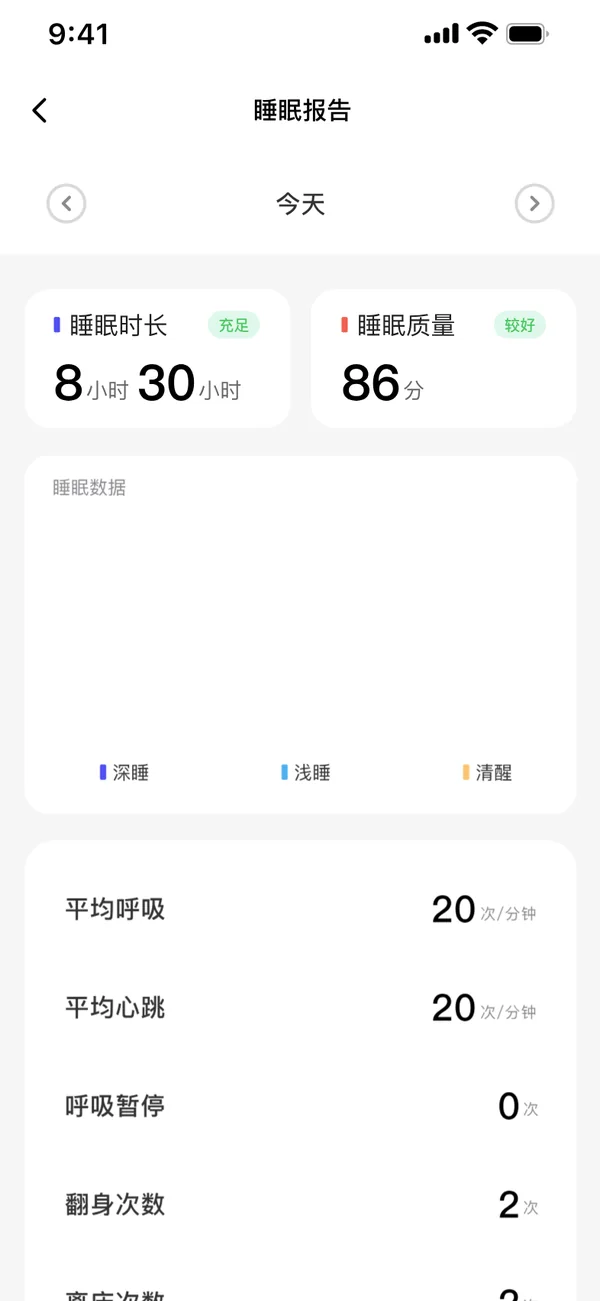
While in bed, the radar keeps judging and reporting "awake / light sleep / deep sleep", joining the whole night into one curve and generating a nighttime care record.
0–100
A score is given for each sleep session when it ends. Family members and caregivers can judge how last night went from a single number.
Reported on abnormality
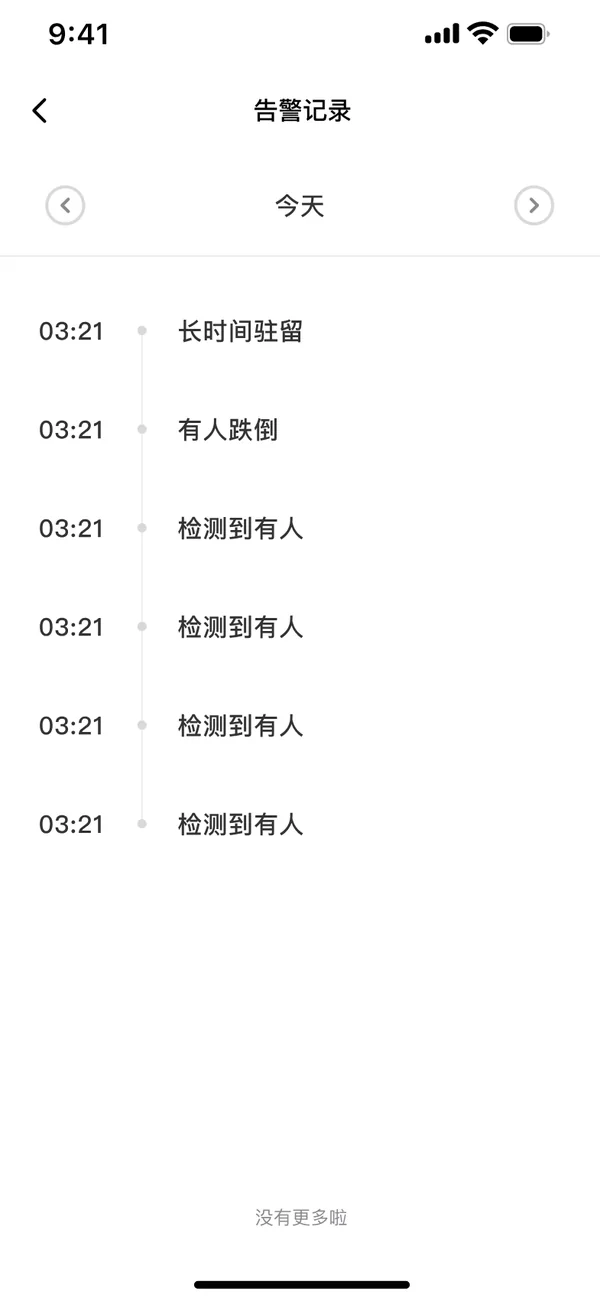
When the breathing rhythm is abnormal (for example, a long breath-hold makes the breathing value 0), it is flagged automatically and an abnormal alarm is reported.
In the app
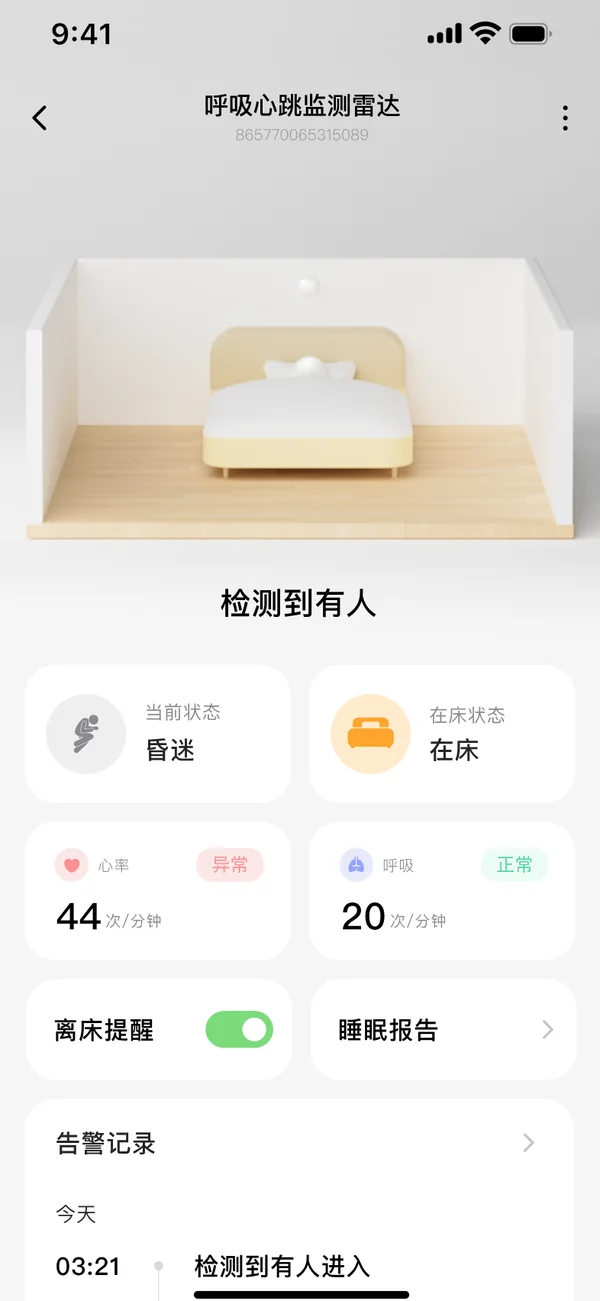
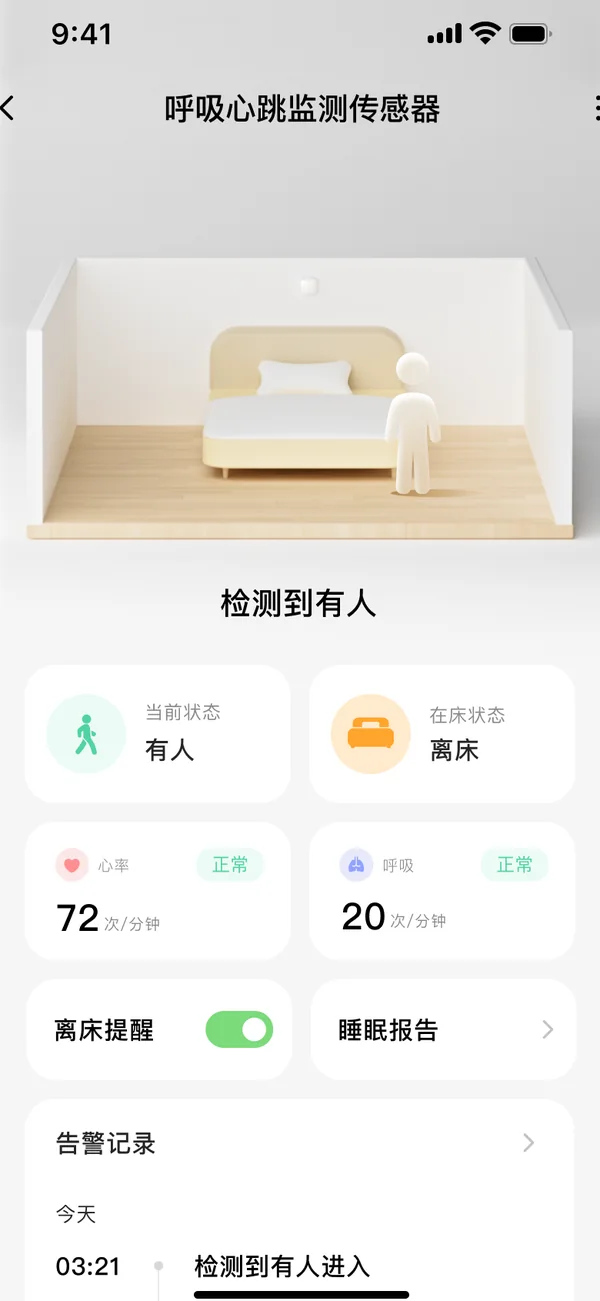
The device connects to the Xiaowei IoT App (Smart IoT App in the white-label version). Live vital signs, in-bed / out-of-bed status and sleep reports are all on this device page.
Installation and methods
Whether a device like this works in a project depends half on how it is installed: position, angle and obstructions.
Why choose it
A sleeping person wears nothing. Compliance decides whether a device like this can really be deployed, and wristbands and watches cannot get past that.
Breathing and heart rate refresh every 3 seconds, with a stable reading in about 30 seconds. When something abnormal happens, the duty desk sees a live curve, not just yesterday's record.
Beyond breathing and heart rate, in-bed and out-of-bed status, sleep staging, sleep score and apnea risk all come together and generate a nighttime care record directly.
Specifications
The parameters below come from the product manual and the core technical documents. The breathing and heartbeat detection range is the distance between the chest and the radar antenna face.
| Operating frequency | 61–62.5 GHz (FMCW) |
|---|---|
| Antennas | 1T3R (1 transmit, 3 receive) |
| Transmit power | ≤ 8 dBm (low power, harmless to humans) |
| Breathing detection range | 0.4–1.5 m (between chest and radar antenna face) |
| Sleep detection range | ≤ 2.5 m |
| Sensing target | People with biological characteristics (moving or still); inanimate objects are filtered out |
| Power supply | USB 5V / 1A |
|---|---|
| Average operating current | ≤ 180 mA |
| Average power consumption | ≤ 900 mW |
| Operating temperature | -10 ~ +50 ℃ |
|---|---|
| Operating humidity | 20% ~ 85% (non-condensing) |
| Storage temperature | -40 ~ +105 ℃ |
| Dimensions | 68 × 68 × 32 mm |
| Connectivity | WiFi (2.4G) |
|---|---|
| Network pairing | Bluetooth pairing after power-on; Bluetooth turns off automatically once paired |
| Remote upgrade | OTA supported |
| Platform access | Xiaowei IoT Cloud Platform (Xiaowei IoT App) |
| Installation form | Bedhead angled mount, tilted down 45°, about 1 m above the bed surface, aimed at the chest |
|---|---|
| Data refresh | Every 3 s (adjustable 1–30 s) |
| Reading established in | About 30 s |
| Vacant → occupied | 0.5 s |
| Occupied → vacant | 40 s |
| Still ↔ active | 0.5 s |
| Applicable spaces | Bedrooms, elderly care facility beds, care units |
|---|---|
| Applicable users | Single-occupant beds |
| Typical deployments | Zhengyuan Elderly Care Service Center, Zhengfang Heyuan (nighttime bedside care) |
| Not suitable for | Several people in one bed; beds with a mosquito net where the unit would have to be installed outside the net |
Parameters are taken from the product manual and the core technical documents. If they differ from the markings on the unit, the manual prevails.
Before you choose
Most problems in bed scenarios come from the installation environment. The points below are restrictions stated in the manual.
Each radar serves one person in bed. Where several people share a bed or room, deploy one unit per bed.
A mosquito net seriously interferes with radar accuracy, and it is the easiest mistake to make in elderly care settings. Install the unit inside the net, with no obvious obstruction in front of the main beam.
The motor inside an air conditioner causes misjudgments. Do not aim the radar at the air outlet or install it facing the same direction as the air conditioner.
Position and height depend on the bed type on site (directly above the bedhead, about 1 m above the bed surface, tilted down 45°), so that the main beam covers the sleeping area.
Moving metal, liquids and electric fans, as well as pets right next to the radar, can all trigger misjudgments. Avoid them when placing the unit.
Human signals are very low-frequency and weakly reflected. After power-on, the radar resets its internal circuits and self-learns the environmental noise, which takes a short warm-up.
Tell us the number of beds and the room conditions. We will provide an installation plan, model selection and a quote.